The Laboratory for Origins and Astrobiology Research (LOAR)
Essential intent: Recreate life's chemical origins and develop new ways to recognize life elsewhere
WHAT WE DO
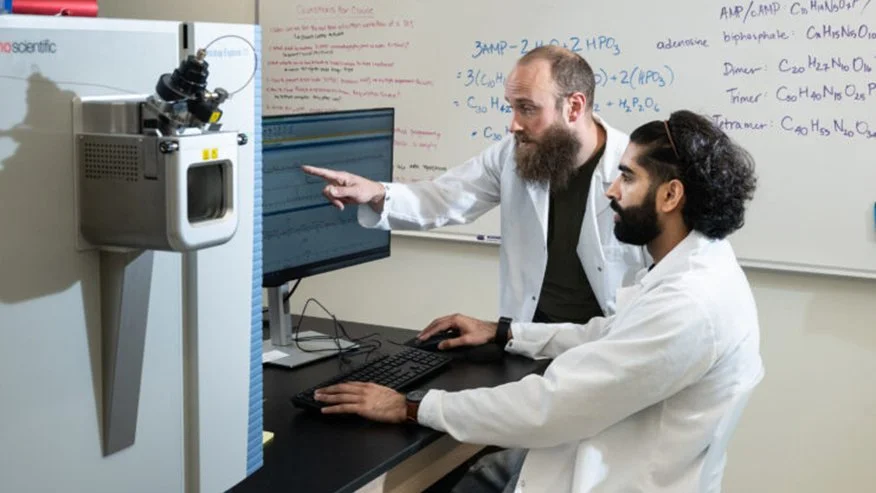
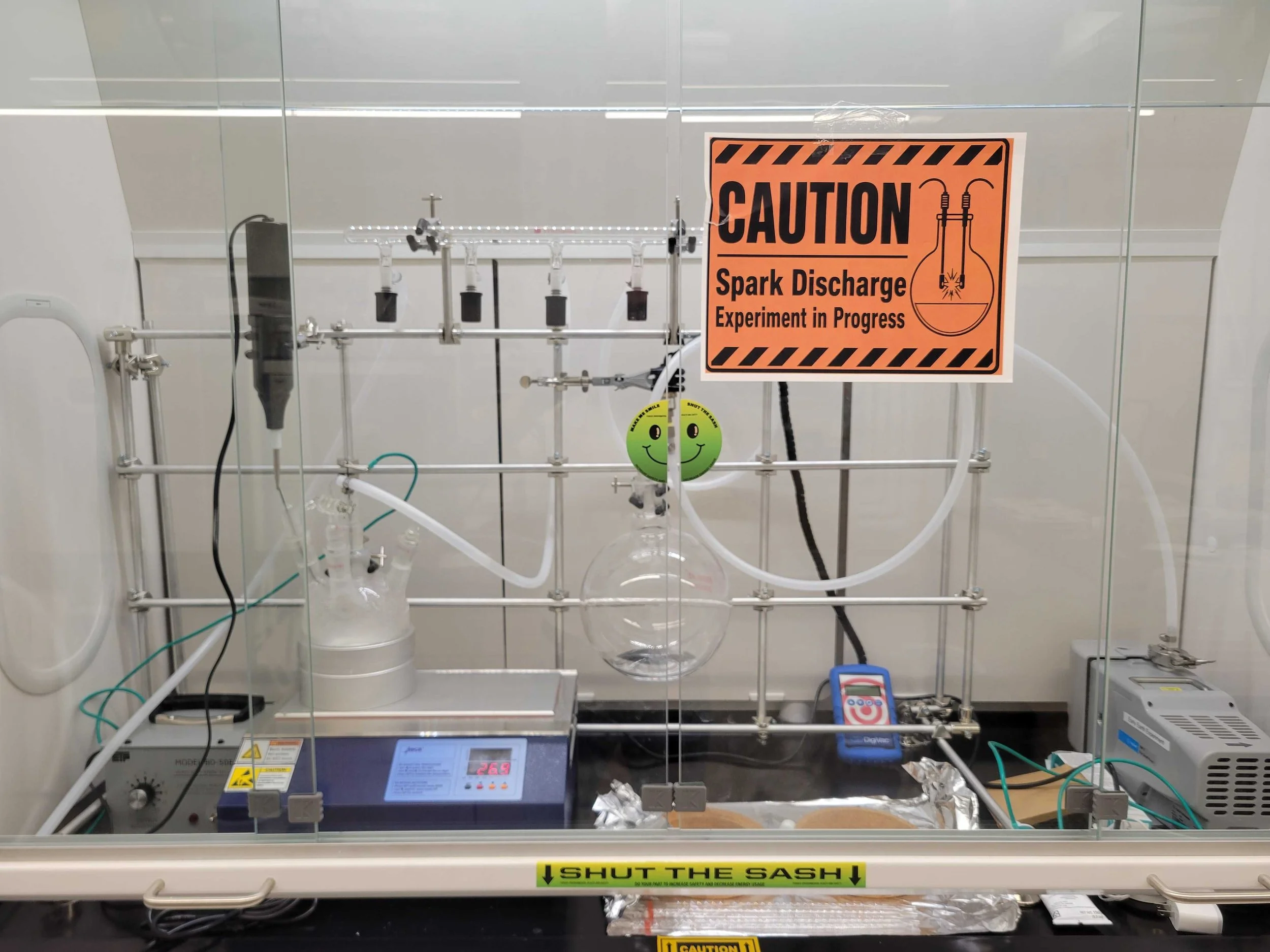
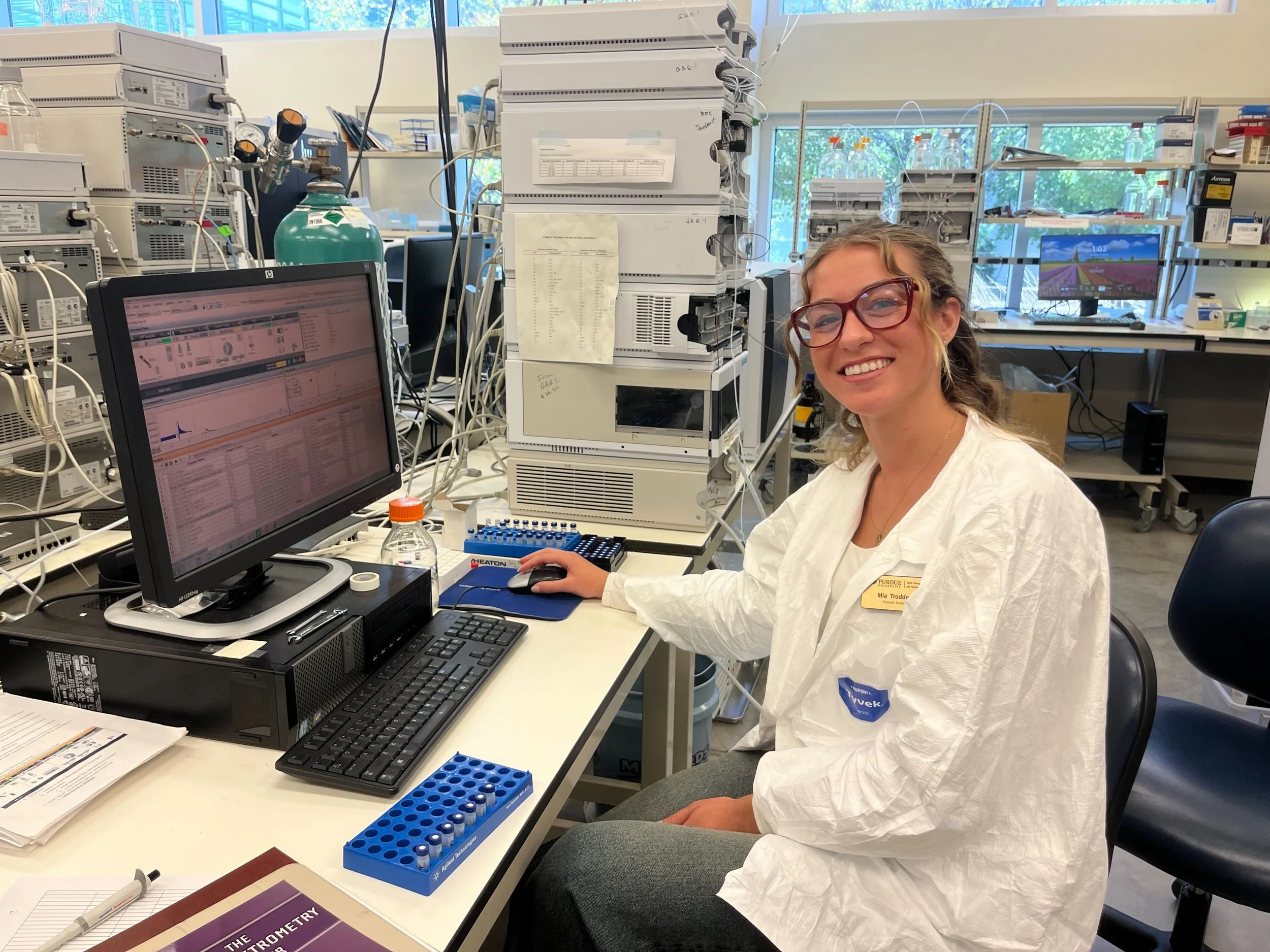
LOAR investigates the origin of life and the search for life beyond Earth. Our work focuses on prebiotic chemistry across planetary environments, including Titan, early Earth and Mars, as well as the development of agnostic biosignatures for life detection. We integrate experimental and theoretical approaches, using Miller–Urey–type experiments to probe abiotic synthesis pathways, thermochemistry to investigate potential chemical favorabilities, and techniques such as liquid chromatography–mass spectrometry to characterize molecular building blocks. Our work directly informs life-detection strategies for NASA missions.
ABOUT BEN
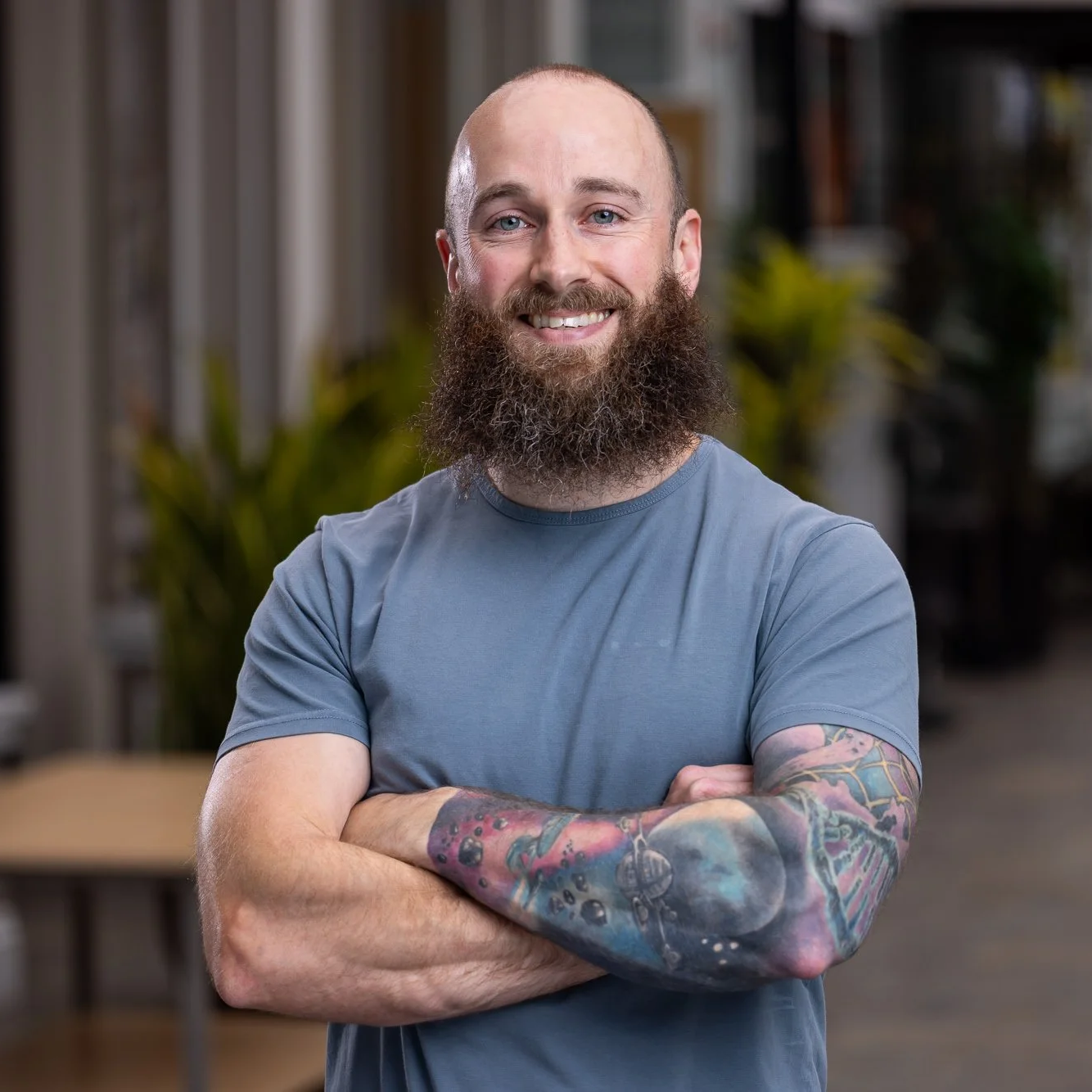
I'm an astrobiologist and Assistant Professor in the Earth, Atmospheric, and Planetary Sciences (EAPS) Department at Purdue University. I research prebiotic chemistry in planetary environments and develop biosignatures for detecting life beyond Earth. In my spare time, I enjoy powerlifting, rock climbing, and ultrarmarathon running.
I will be not be hiring a PhD student for the upcoming Fall 2027 cycle; please check back next year for details on whether I’ll be hiring for Fall 2028.
WHY STUDY THE ORIGIN OF LIFE?
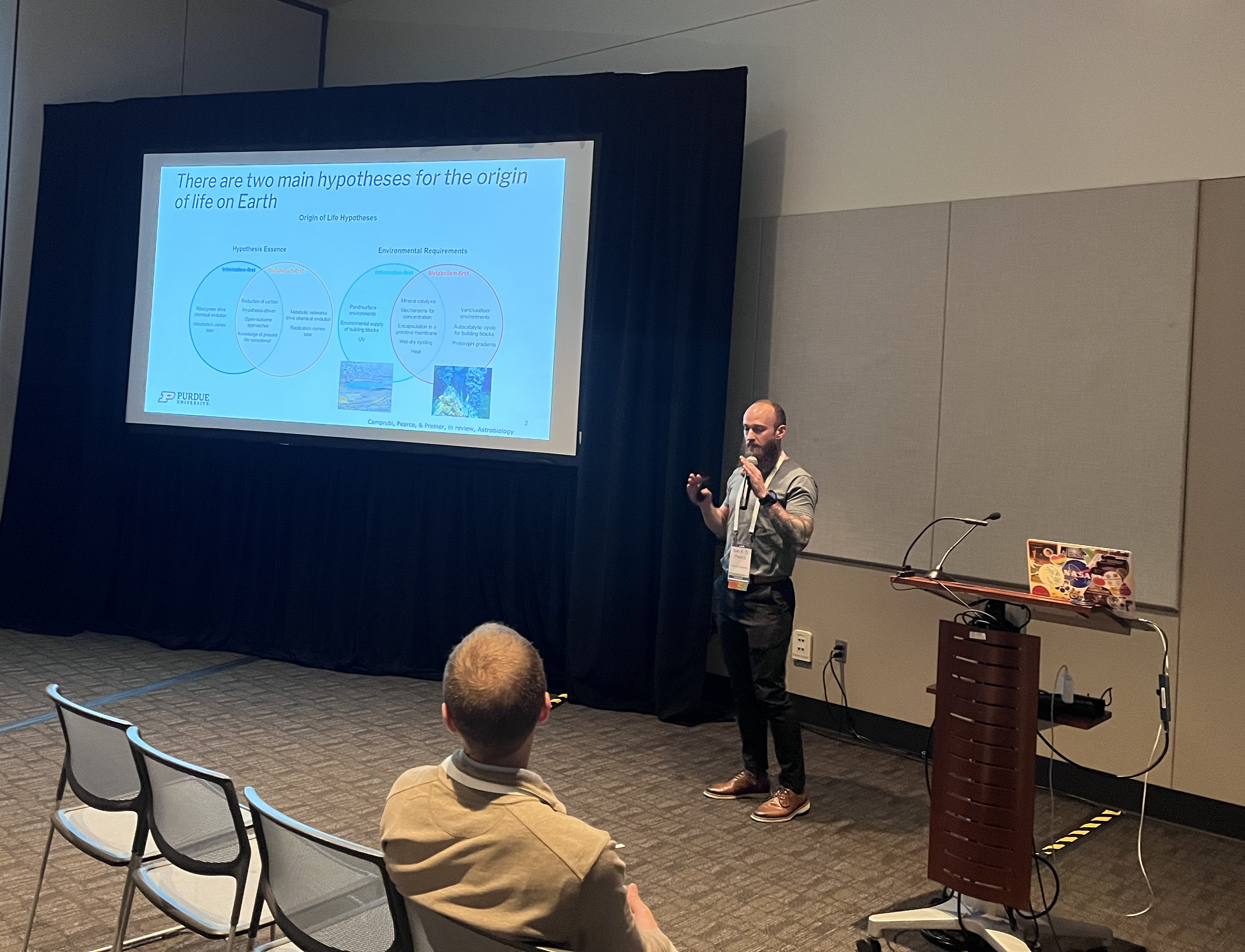
One of the deepest questions intelligent beings can ponder is, where did we come from? Evolution by natural selection explains how simple cellular life progressed into the diverse set of species we observe on Earth today, but it is still unclear how non-living, organic molecules converted into to something that can reproduce and evolve. Evidence is growing for the idea that if the right ingredients are settled in the right environment, life will arise naturally. My research focuses on the early stages of this hypothesis, beginning on the surface of our early habitable planet with only the basic starting readily available from atmospheric and terrestrial processes. For details, see the tab labelled publications. Everything we publish is available to read for free on arxiv.